
An Iron Dome for Drone Swarms: The Israeli Startup Promising to Intercept Hundreds of UAVs at Once
After raising $36 million from American and Israeli funds, the startup Skapion emerges with an exceptionally ambitious goal: to develop a system that will intercept UAV swarms at a cost of less than $10,000 per target • The company is already working with the Ministry of Defense and is on its way to live fire and interception trials
פורסם:
By Eitam Almadon
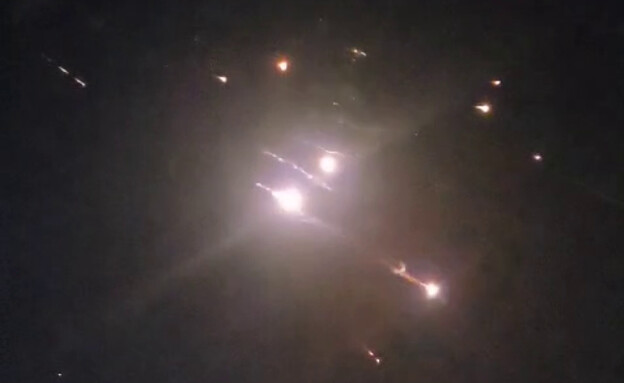
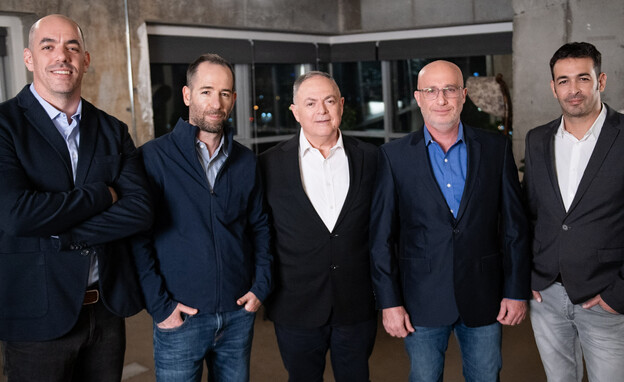
A new Israeli defense startup, which until now operated under the radar, has been revealed after seven months and presents an ambitious goal: to build a small, mobile "Iron Dome" of sorts that can handle hundreds of UAVs simultaneously, while bringing the cost of interception down to less than $10,000 per target. The company, Skapion, has completed a $36 million seed round, is working with the Israeli Ministry of Defense, and is in the subsystem testing phase ahead of live fire and interception trials. Among its founders is Pini Yungman, formerly a senior executive at Rafael and one of the leading figures behind the Iron Dome and David's Sling programs.
In recent years, suicide drones (kamikaze UAVs) have become one of the primary threats on the battlefield. Russia and Ukraine deploy them on a large scale, Iran distributes them to its proxies, and in Israel, Hezbollah's UAVs have demonstrated the limitations of existing defense systems.
"What we've been exposed to so far is just the tip of the iceberg," says Skapion CEO Ido Bar-On. "Already today we're seeing attacks involving hundreds of UAVs, and the trajectory is clear – hundreds and thousands simultaneously." According to him, the problem is not only the ability to intercept, but also the cost of interception and the capacity to produce a large inventory of interceptors over time.
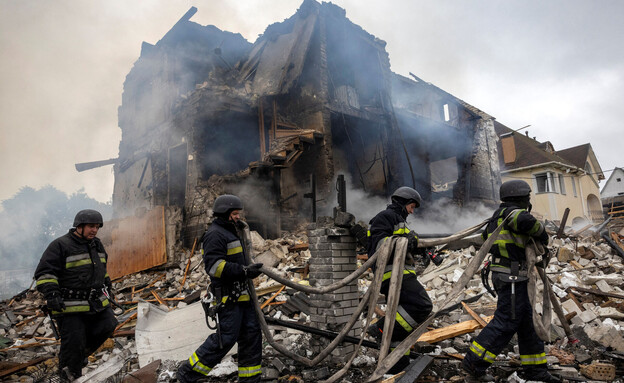
He notes that an Iranian Shahed-type UAV costs approximately $15,000 to $35,000, while intercepting it with existing systems can cost tens of thousands, hundreds of thousands of dollars, or even more. "The UAV night from Iran in April 2024 cost Israel and the coalition nations over $7 billion. That's a cost you can absorb once, but not over the course of months."
פרסומת
This is where the system Skapion is developing comes in – a full interception battery integrating detection, classification, decision-making, and the launch of small interceptors, designed from the outset to contend with saturation attacks by UAV swarms. The system is intended to protect critical infrastructure, military bases, and maneuvering forces, and is meant to be mobile enough to accompany forces in the field as well.
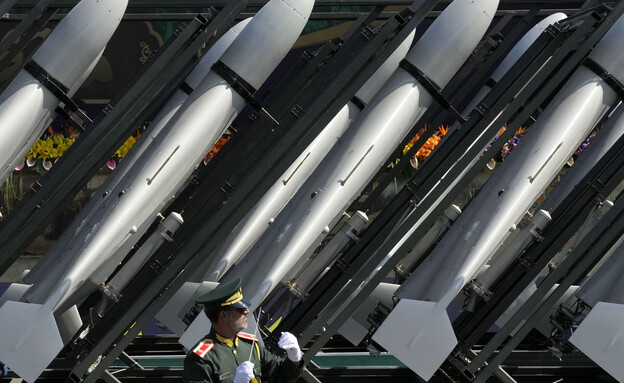
In its early stages, the company considered focusing specifically on small drones, such as those Hezbollah operates against IDF forces in southern Lebanon, but ultimately decided to prioritize larger UAVs in the first phase. According to Bar-On, the decision was made in response to customer demands, as they are more concerned about threats capable of striking strategic targets in the depth. Skapion plans to later expand its solution to additional target types.
פרסומת
"If today's Shahed flies at 180 km/h, the next Shahed will fly at 450–500 km/h," Bar-On estimates. "If we build a system suited only to today's threat – in two years it will already be irrelevant."
One of the company's key objectives is an interception cost of less than $10,000. In parallel, it is planning from the outset a production capacity of approximately 10,000 interceptors per year through a multinational supply chain, in order to avoid inventory shortages during wartime.
פרסומת
If Skapion meets its targets and presents an operational system as early as 2027, it could provide an answer to one of the central threats of the future battlefield – saturation attacks of hundreds and thousands of UAVs simultaneously.
מצאתם טעות לשון?