
Shavuot under fire: A view from Israel’s north amid “ceasefire”
The U.S. president periodically announces that the “pause” in the north has been extended - yet life in the border communities remains unbearable. While IDF troops operate along the northern front, residents of the Galilee are exposed to rocket attacks and the danger posed by Hezbollah explosive drones
פורסם:
By Guy Varon and Sharon Knoblich
An unimaginable reality: while many Israelis will celebrate the Shavuot holiday tomorrow (Thursday), emergency conditions continue in northern communities despite the so-called “ceasefire” with Hezbollah. As IDF forces across the border continue to come under fire in southern Lebanon, residents along the confrontation line face daily sirens, rocket fire, and the ongoing threat of drones.
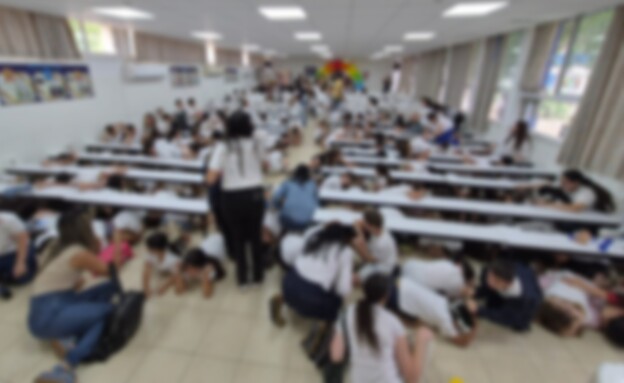
Holiday events at a school in Kiryat Shmona were interrupted by an alarm that left children with only 15 seconds to reach shelter. In a community in the western Galilee, residents woke this morning to another reminder from the front line — an optical fiber cable from a Hezbollah drone was found tangled on the roof of a home.
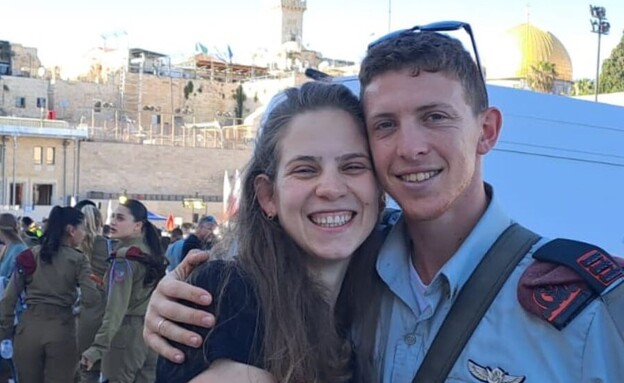
The “ceasefire” with Hezbollah, imposed on Israel last month and repeatedly extended through statements by President Trump on social media, has only sharpened the sense of unreality in the north. Over the past month and a half, eight IDF soldiers have been killed in the northern sector. The latest, Major (res.) Itamar Sapir, was killed yesterday when Hezbollah operatives fired at an Israeli force operating in southern Lebanon.
Meanwhile, on the Israeli side of the border, civilians continue living under constant alerts, drone infiltrations, and fear.
פרסומת
Many northern residents will celebrate Shavuot close to protected shelters. A painful reminder came this morning from Kiryat Shmona, where students were forced to seek cover during their school’s holiday event.
“It’s impossible to live here. By the end of the year, nothing will remain of this city,” one mother told N12. “This disregard for human life is not normal. People here rely on miracles and pray every morning that the day will end safely”.
The sense of helplessness is felt throughout the border communities. Neta Gerber, a resident of Kibbutz Maayan Baruch, shared a heartbreaking post on social media describing an impossible decision she made regarding her children.
פרסומת
“I send my children to school on two separate buses,” she wrote, “so that if one is hit, I’ll still have another child left”.
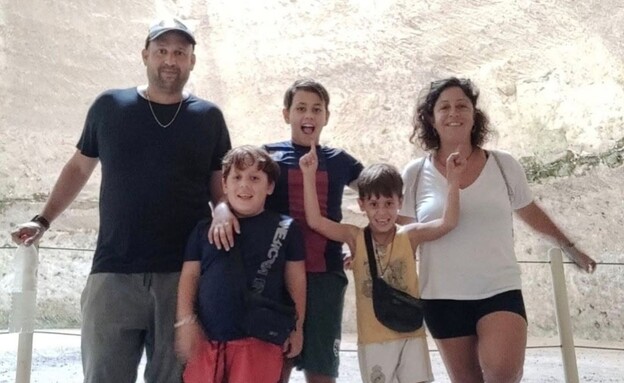
She explained that alongside the drone threat and ongoing attacks, residents are also facing severe economic and emotional hardship.
“According to the guidelines, I’m not supposed to open my business because I don’t have a protected space, but no one is offering a solution,” she wrote. “We have no idea how long this will last or how we’re supposed to keep living like this”.
In a western Galilee community, residents discovered this morning that an optical fiber cable connected to a Hezbollah drone had become caught on the roof of a house. The thin cable is used to transmit data and communications, making the drone harder to jam or intercept.
פרסומת
“I walked outside and suddenly saw the optical fiber caught on the roof”, one resident recounted. “Just a minute earlier, my wife and children had been there and didn’t notice anything at all”.
מצאתם טעות לשון?