
Harassment Continues: Israeli Tourists Branded "Baby Killers" in Montenegro
A group of Israeli tourists visiting the town of Plav in Montenegro was harassed by a man and a woman who shouted antisemitic and anti-Zionist remarks after hearing them speak Hebrew. "Taking a break from committing genocide?" the man taunted them while filming the encounter, later posting the video on social media. Watch the footage.
By Hagar Amgar
A group of Israeli tourists visiting the town of Plav in Montenegro was harassed by a man and a woman, apparently locals. The incident, filmed by the man who attacked the group, was posted on social media and went viral. Among other things, the couple hurled at the Israelis: "Taking a break from genocide?", "You shouldn't be out traveling, stay in the place you call Israel."
During the footage, one of the Israeli tourists can be heard addressing the man filming in an attempt to stop the harassment and prevent the confrontation from escalating. "Keep walking, don't talk to us," said the young Israeli, who added: "You don't know me." Another member of the group can be heard saying in Hebrew: "Leave it, leave it. Don't engage with him."
However, the attempts to de-escalate did not help. The man filming continued to hurl accusations at the group and personally addressed one of the travelers: "I know your mother who kills children." He also shouted at them that they are "baby killers" who committed "genocide," while the woman in the video shouted at them that they "should be ashamed."
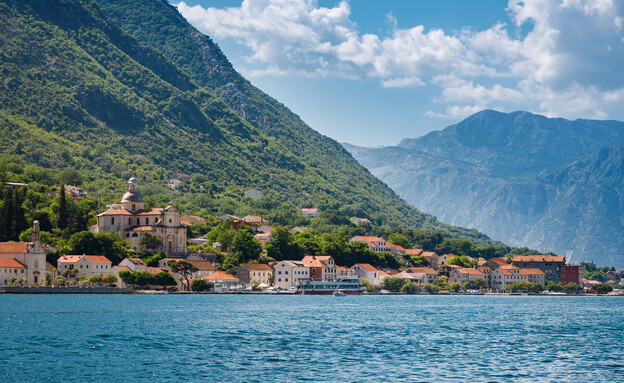
Plav is a town located in northeastern Montenegro, in a mountainous area near the border with Albania and Kosovo. Demographically and culturally, the area is part of the Sandžak region and is home to a large Muslim population.
The incident joins a reality in which speaking Hebrew has become a risk for Israelis traveling around the world. Following similar cases, Israeli security officials have issued warnings to travelers staying in foreign countries and recently cautioned that speaking Hebrew during trips abroad has become a risk for travelers.