
Caution in the EU: The reason for halting the move against Ben Gvir
European diplomats told N12 that the move to sanction the Israeli Minister of National Security may be temporarily delayed • European capitals are examining whether now is the right time to approve a move against Ben Gvir that would “give him a political gift” • Italy, considered a key country in EU voting, is advancing the initiative against him
By Tomer Almagor
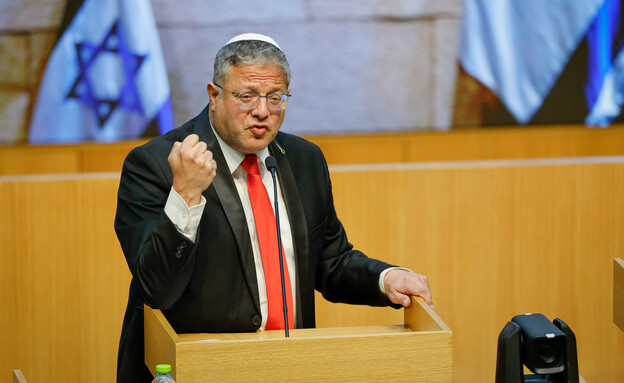
The diplomatic repercussions of the video published by Minister of National Security Itamar Ben Gvir with activists from the Gaza flotilla continue to resonate, and several European countries have announced that they will not allow him to enter their territory. At the same time, an initiative is being advanced to completely ban his entry into the European Union – but diplomats who spoke with N12 provided a surprising explanation for possible opposition to the move.
According to several diplomats from EU member states, some countries are considering trying to block the measure in order not to give Ben Gvir a “political gift” ahead of the elections. They argue that imposing sanctions would only help Ben Gvir politically, so although they fundamentally support sanctions against him, discussions are taking place within European foreign ministries over whether this is a smart move from the perspective of European interests.
Italy’s Foreign Minister Antonio Tajani was the one who announced the promotion of a sweeping ban on Ben Gvir entering the European Union. “I have now requested that the next meeting of EU foreign ministers include discussion on adopting sanctions against Israeli Minister of National Security Ben Gvir, due to the unacceptable actions carried out against the flotilla, the seizure of activists in international waters, and subjecting them to harassment and humiliation while violating the most basic human rights”, Tajani wrote on X.
French Foreign Minister Jean-Noël Barrot announced support for the move, alongside a separate French ban preventing Ben Gvir from entering France. He clarified that the sanction was imposed because of “a long list of shocking statements and actions, incitement to hatred and violence against Palestinians”. Earlier this year, several countries, including Canada and the United Kingdom, imposed sanctions on ministers Ben Gvir and Bezalel Smotrich, including travel bans and financial restrictions.
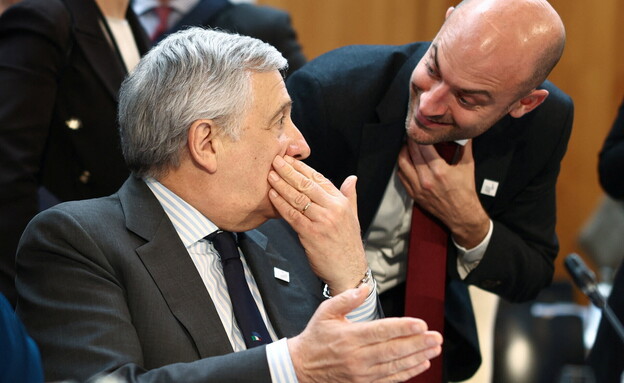
The next meeting of the EU Foreign Affairs Council is scheduled for June 15, and it is expected to be particularly critical for Israel. Alongside the unprecedented sanctions being considered against a sitting Israeli government minister, another proposal is on the EU table that a diplomatic source previously described as an “earthquake”. According to the proposal promoted by France and Sweden, additional restrictions would be imposed on trade with the settlements – restrictions that could effectively amount to a ban.
The French-Swedish proposal was blocked following intense diplomatic efforts at the last meeting of foreign ministers earlier this month, though new sanctions against “violent settlers” were adopted. Italy is considered a key vote regarding the proposal on trade restrictions with the settlements. In May, it announced that it was considering the move after previously expressing support for it, but there are now concerns that it may reconsider in light of the Ben Gvir affair.